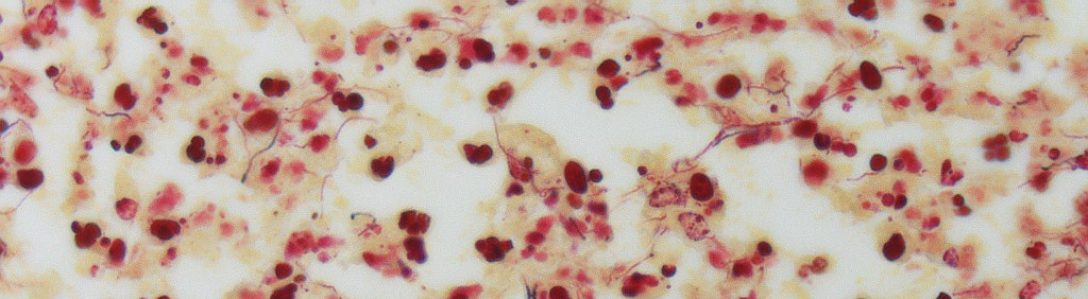
As I am sure you are aware, bacteria are tiny organisms capable of growing in a multitude of various environments. However, what if I told you that there are trillions of bacteria present on and in the human body that aid in the continuation of life? This population of bacteria, commonly known as a microbiome, is a crucial part of the body’s ability to maintain homeostasis. The microbiome aids in digestion, immunomodulation, even the prevention of infections. Without these microbiota, there would be a significant public health problem with hostile microorganisms. In fact, without the development of a healthy microbiome, the human population would be much more susceptible to disease!
The healthy human microbiome is acquired at the ripe age of 3 years old. The microbiome can change its composition over time due to environmental and genetic factors, which can either be beneficial or detrimental for the human host. These changes can be caused by changes in available substrate and pH levels in the body. However, constant modulation of the microbiome can increase disease susceptibility and leave the body more vulnerable to attack by hostile microbes. The microbiome can affect the body’s inflammation response to attack, especially if the incorrect substrate is being provided for the healthy bacteria! Studies show that higher amounts of sugars in a diet can affect the inflammatory response by decreasing the magnitude of inflammatory agents released in response to a threat. In fact, microbiome disruption can lead to antimicrobial resistance, which makes antibiotics much less effective in treating microbial infections.
Currently, research is being conducted to see if the genes of the bacterial microbiome that exists within the mouth has anything to do with the sharply increasing amount of medication-resistant infections. The mouth’s importance as a portal of entry for many pathogens may be the underlying source of antibiotic-resistant genes found in microbes. Bacteria in the mouth are much different than the bacteria of the gut, so there is a greater chance that these microbiota may be transferring antibiotic resistant genes to pathogens. Even though this is detrimental for the human host, the microbiome is still a necessity for protecting people from disease and aiding in food digestion. These bacteria are quite literally keeping us alive, so take a moment to thank your gut!

 Megan's Microbiology