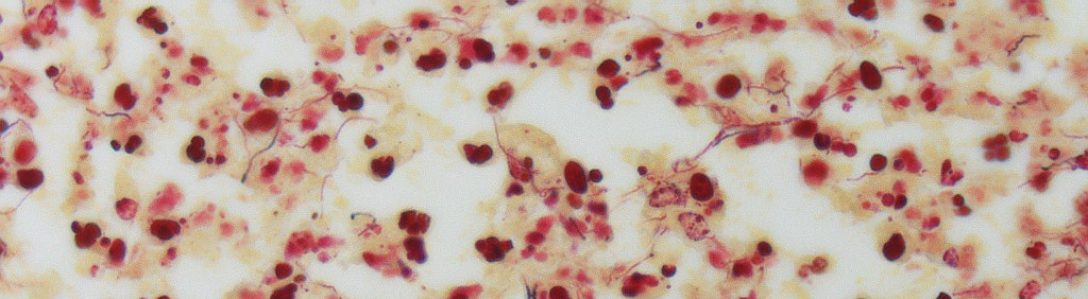
Have you ever heard of the disease MRSA and how dangerous it is? MRSA stands for methicillin resistant Staphylococcus aureus, which can potentially cause deadly infections in heart valves, bones, lungs, and the bones with their joints. MRSA is known as a “superbug,” meaning it is resistant to many different kinds of antibiotics, making this disease extremely hard to treat. Unfortunately for humankind, more and more antibiotic resistant organisms like MRSA are emerging, rendering our methods of treating the diseases they cause more and more futile. According to the CDC, more people are dying from antibiotic resistant bacterial infections than previously estimated, including an emerging strain of antibiotic resistant strep throat. This discovery has forced researchers to try and create more effective antibiotics, which we are rapidly running out of.
With 2.8 million people dying from antibiotic resistant infections in the United States every year, it is clear to see that our antibiotics are beginning to lose their effectiveness. One of the main causes of the resistance is the over prescription of antibiotics, which allows resistant bacteria to continue living without competition when non-resistant bacteria are eliminated with antibiotics. In many countries, antibiotic prescription is largely unregulated, meaning that the chance of overuse and reduction of efficacy are probable. Additionally the use of antibiotics in raising livestock is a large contributor to emerging antibiotic resistance. Not only do we consume these antibiotics, but they are also excreted by livestock and contaminate our soil, agriculture, and water sources. The exposure of the natural flora to the antibiotics increases the ratio of the resistant strains to the non-resistant strains, increasing the amount of antibiotic strains that can propagate.
Although times may look tough right now, there is no need to fret yet! Researchers are working on both developing new antibiotics and discovering alternative methods of killing resistant bacteria. Currently, there is a push to utilize bacteriophages to destroy antibiotic-resistant bacteria, which would be an excellent replacement for antibiotics since many bacteria are susceptible to phages. However, this method may be problematic in that our body may already have antibodies to destroy the bacteriophage. Additionally, artificial intelligence machines are being used to discover new, stronger antibiotics! Even though there are rapidly emerging antibiotic-resistant bacteria strains, educating the public on the importance of preventing antibiotic overuse and the use of new technologies may be enough to halt these pathogens.

 Megan's Microbiology